Understanding Historical Places in Dubai
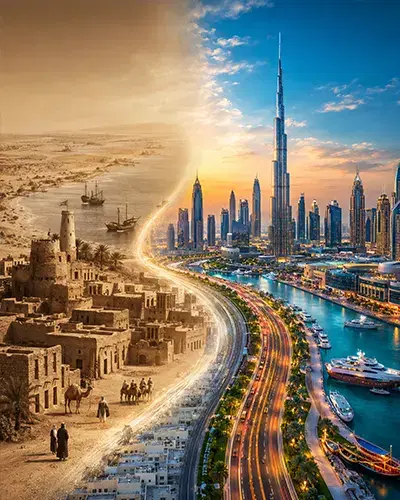
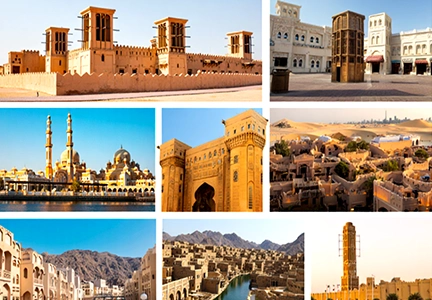
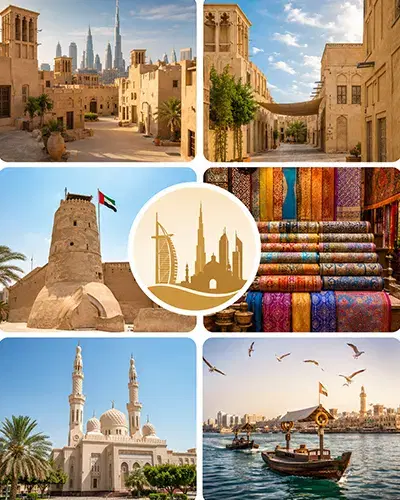
The historical places of Dubai are not only important for tourism, but they also explain how the city developed over time. Locations such as Al Fahidi Historical Neighbourhood, Dubai Creek, Sheikh Saeed Al Maktoum House, Al Shindagha Museum and Jumeirah Mosque reflect different parts of Dubai culture and development. These heritage sites help visitors understand the lifestyle of people before the discovery of oil and how Dubai slowly transformed into a modern global city. To better understand the importance of these places, we can look at them from several important perspectives.
1. Architectural & Engineering
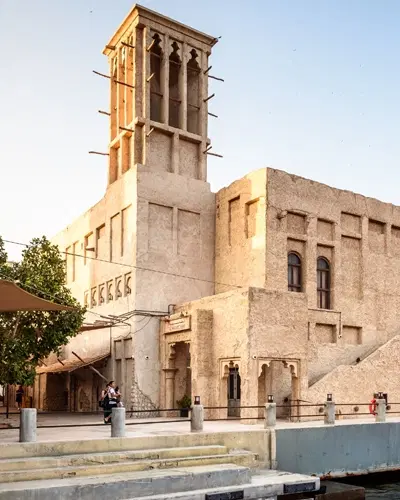
Historical places in Dubai show how traditional architecture was designed to suit the desert climate and coastal environment. In areas like Al Fahidi Historical Neighbourhood, houses were built using natural materials such as coral stone, gypsum, teak wood, palm fronds and sandalwood. These materials helped keep homes cool and comfortable in hot weather.
One of the most interesting architectural features of old Dubai is the wind tower, also known as a “Barjeel.” Wind towers worked like natural air-conditioning systems. They captured cool wind from above and directed it into the house to reduce indoor temperature. This shows how people used simple engineering ideas to adapt to the desert climate. Similarly, Al Fahidi Fort, which houses the Dubai Museum, was built in 1787 and served as a defensive structure to protect the city and the nearby trading routes. The fort later functioned as a palace, government building and prison before becoming a museum that showcases Dubai’s history.
Another example is Jumeirah Mosque, which represents traditional Islamic architectural design with detailed stone carvings and symmetrical structures. The mosque reflects influences from classic Middle Eastern and Fatimid architectural styles. These historical buildings demonstrate how early Dubai combined traditional construction methods with practical engineering solutions suited for desert living.
2. Economic & Trade Evolution
Many historical places in Dubai are closely connected to the economic and trade development of the city. The most important example is Dubai Creek, which was the main trading port of the region for many years. Before the discovery of oil, Dubai’s economy depended mainly on pearling, fishing and maritime trade. The creek allowed boats and merchant ships to bring goods from countries such as India, Persia and East Africa. These trading activities helped Dubai become an important commercial center in the region. Markets located near the creek, such as the Gold Souk, Spice Souk, and Textile Souk, became major trade hubs where merchants sold jewelry, spices, fabrics and other imported goods.
Historical buildings like Sheikh Saeed Al Maktoum House also played a role in economic decision-making. The residence of the former ruler of Dubai overlooked the creek so that the leadership could easily monitor trade and shipping activities. Through these historical sites, visitors can understand how Dubai developed its strong trade networks and business culture, which later helped it become one of the world’s leading global business centers.
3. Cultural & Spiritual
Historical places in Dubai also reflect the culture, traditions, and spiritual life of the Emirati people. These locations preserve customs that were followed long before modern development began. For example, Jumeirah Mosque represents the religious and spiritual identity of Dubai. It is one of the few mosques in the UAE open to visitors of all religions, allowing people to learn about Islamic culture and traditions. The mosque is also known for educational programs that promote cultural understanding.
Similarly, heritage districts such as Al Fahidi Historical Neighbourhood preserve the traditional lifestyle of Emirati families. Visitors can explore narrow lanes, courtyards and houses that reflect everyday life in old Dubai. Many cultural institutions and heritage centers located there help explain Emirati traditions, food, clothing and social customs. Museums like Al Shindagha Museum and Dubai Museum also display artifacts related to pearl diving, fishing tools, Bedouin life and traditional crafts. These exhibits help people understand the cultural roots of the UAE. Through these cultural and spiritual sites, visitors gain a deeper understanding of the values, traditions and heritage that shaped Dubai’s identity.


.webp&w=828&q=75)
.webp&w=828&q=75)